
PIETER INCUBATOR SERIES
The Pieter Incubator Series shares stories from people who have been rooted in and nourished by Pieter’s community over the years.
November 2026: DaEun Jung
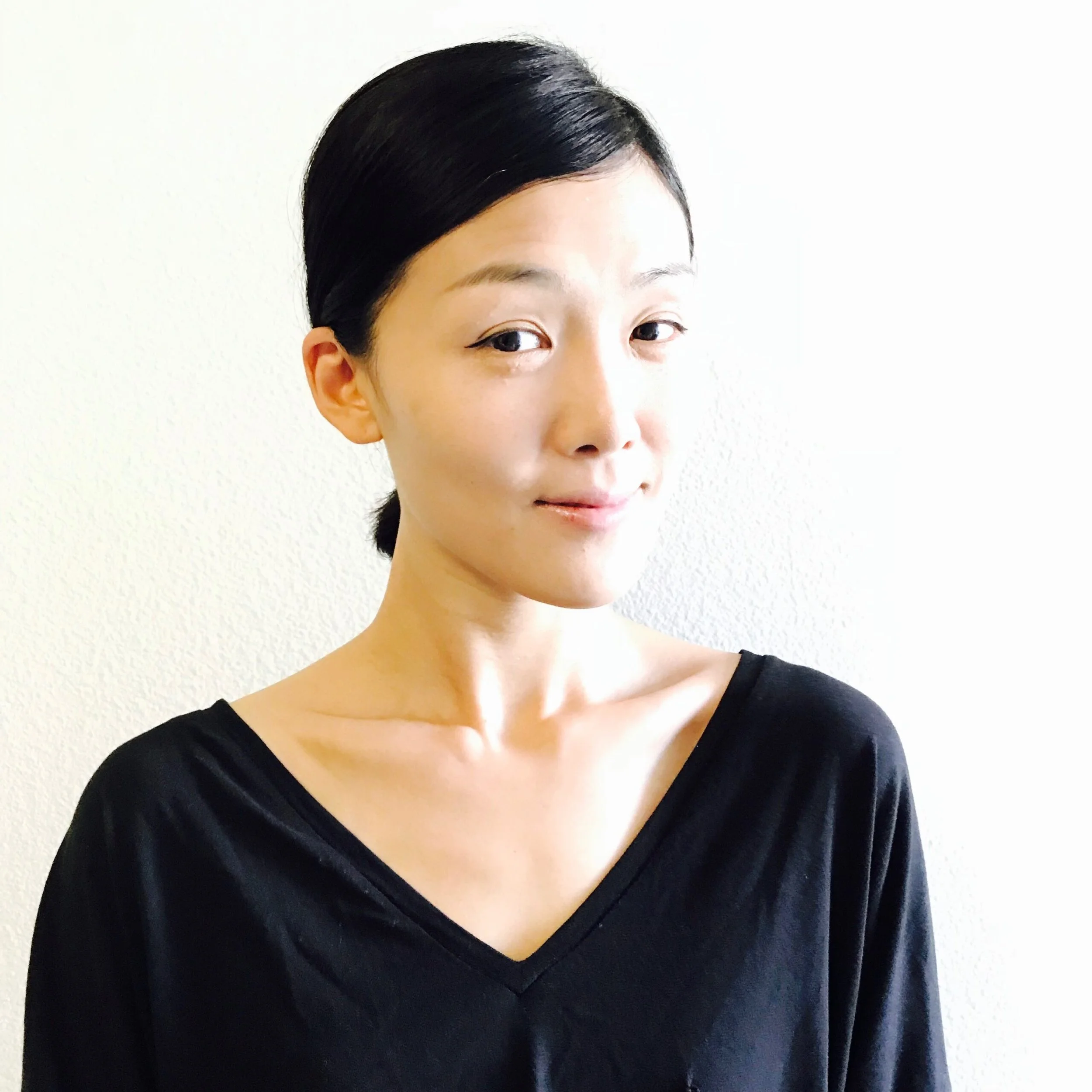
DaEun Jung (she/her), is a Korean-born choreographer based in Los Angeles who interlaces forms, principles, and methods of her ancestral and contemporary performance practices within her self-constructed system. DaEun began her Pieter journey as an intern at our old location, and she's frequently returned to the space to research and present her performance collaborations. Across all stages of her creative life in Los Angeles, DaEun identifies Pieter as a key presence in her growth as a dance artist.
Could you tell us a little bit about how you first got involved with Pieter?
“The very first time I went to Pieter was a dance show choreographed by Victoria Marks. I was in the choreography MFA program at UCLA, about a decade ago. I thought the space looked so interesting. The most [intriguing] part was the posters and little flyers hung on the walls and doors, and even inside of the bathroom stall. So my first impression of Pieter was really vibrant. Things are going on, and I got to meet people who have been working there, and people who were there for the first time. So from then on, I started rehearsing there and dancing in my peers' work. And the space had a really great hourly rate. For all those reasons, Pieter was always my first choice.
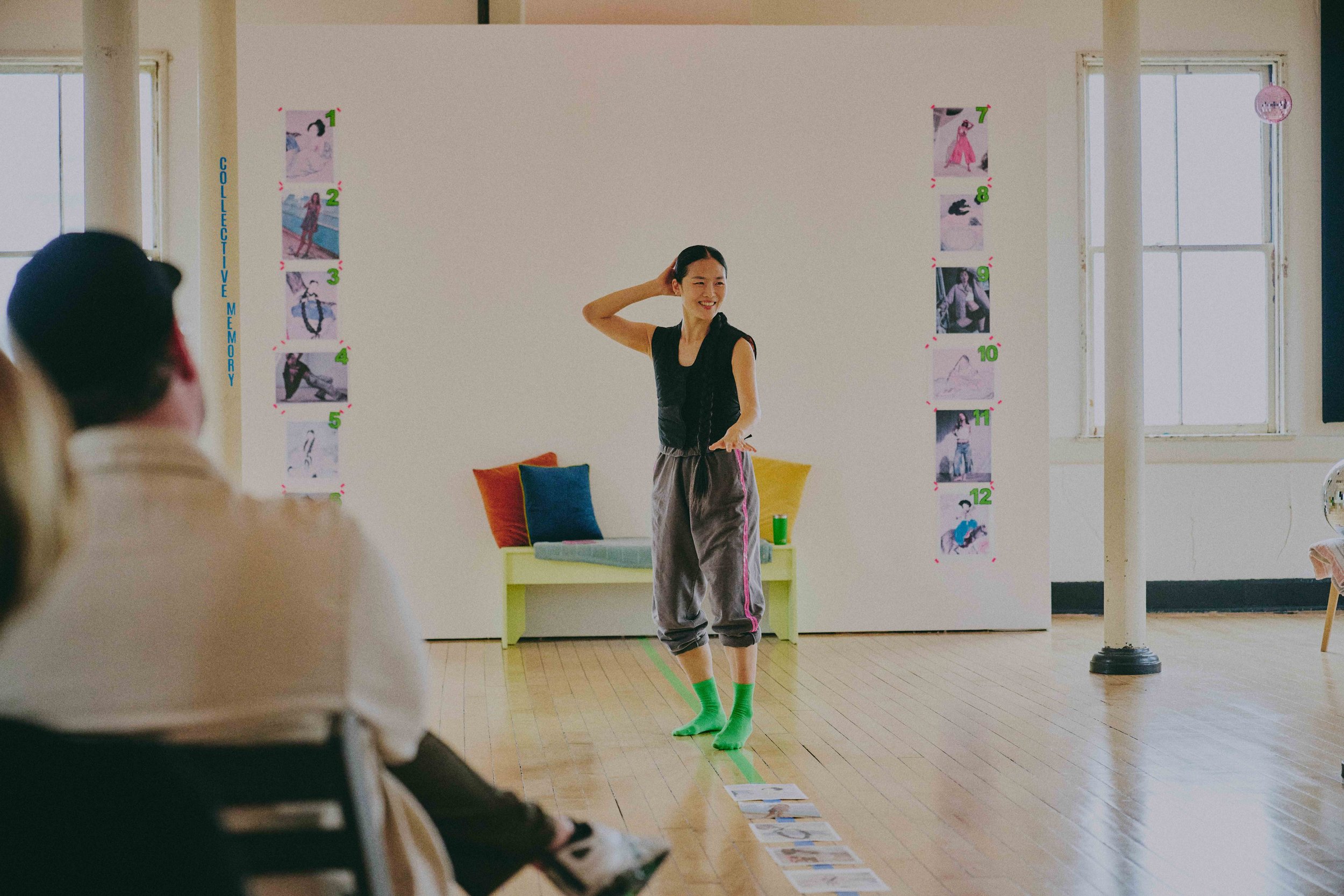
I also had a really great opportunity to teach there as part of Monday night class. Milka Djordjevich, who I worked for [and danced in] her work for a while. She curated a season of Monday Night Classes, and she invited me to teach for, I believe, 10 weeks. That program culminated with an open showing that supported my ongoing work at the time. So that helped me a lot to meet the community and share my work, my practice, and at the same time I learned a lot from the participants in different practices of arts in other different ways.”
How else have you been involved in the Pieter community?
“Oh, wow, this is an important question -- I was just thinking about this. I worked as an intern briefly when Dorothy was Pieter's executive director. I would help support the evening classes that happened during the week, and I remember taking Marina Magalhães' class. It was a big social dance class. Marina is a beautiful mover, and I think her class was one of the largest and longest-running classes I attended at Pieter.
Just being in the class, I remember the room was packed. It felt like Marina and the people there had built their own community: everybody was dancing individually, but all together too. in the community. Marina's instruction was not that frequent or exacting, but the class kept moving. People were passing steps down a line, they were warming up and sharing dances in a circle. That experience got me to ask the big question, What is dance? How can you share it? That class actually was really inspiring for me.
I also learned a lot while supporting Pieter's Open Studio hours [when they were held] on Saturdays. Every weekend, people could come and rehearse in the space for free. Just getting to meet the people who visited people helped me understand how this organization was run. It also showed me just how hard the people behind Pieter were working to support it.”
“The experience really informed the somatic practices I was developing, focusing on foot articulation and breath. I believe the title of the final showing was Groovy Dancers: Heel, Ball, Toes, and Breath. I’m still on that trajectory of practice even now.
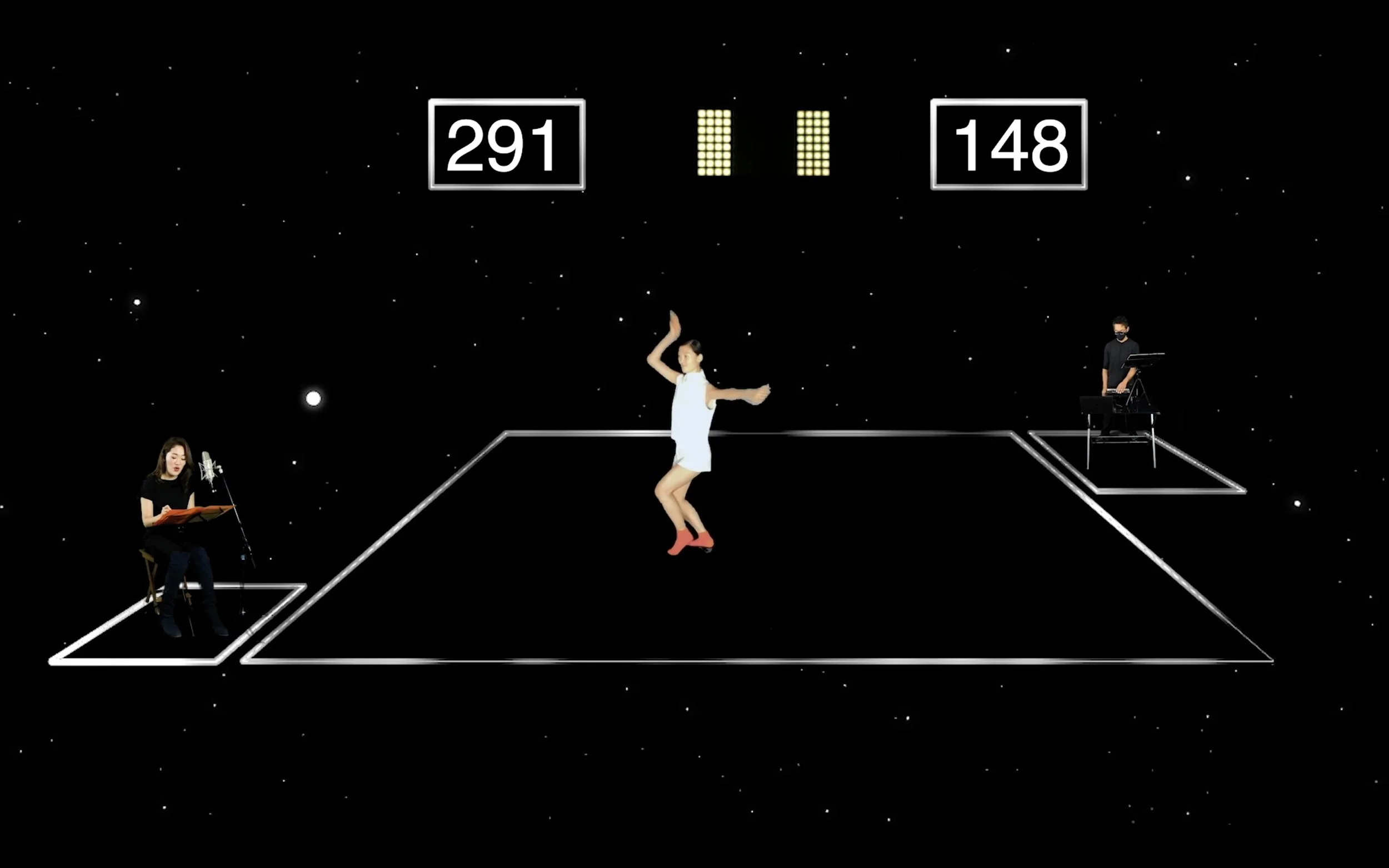
I've also introduced Pieter to my collaborators -- for instance, Melody Shin, a Pansori singer I work with often, has been hosting her public workshops at Pieter. And when PD Seoul Ensemble visited from Korea to perform in LA and at UC Riverside, I invited them to rehearse at Pieter. So Pieter has been a core part of my practice and my performance community.
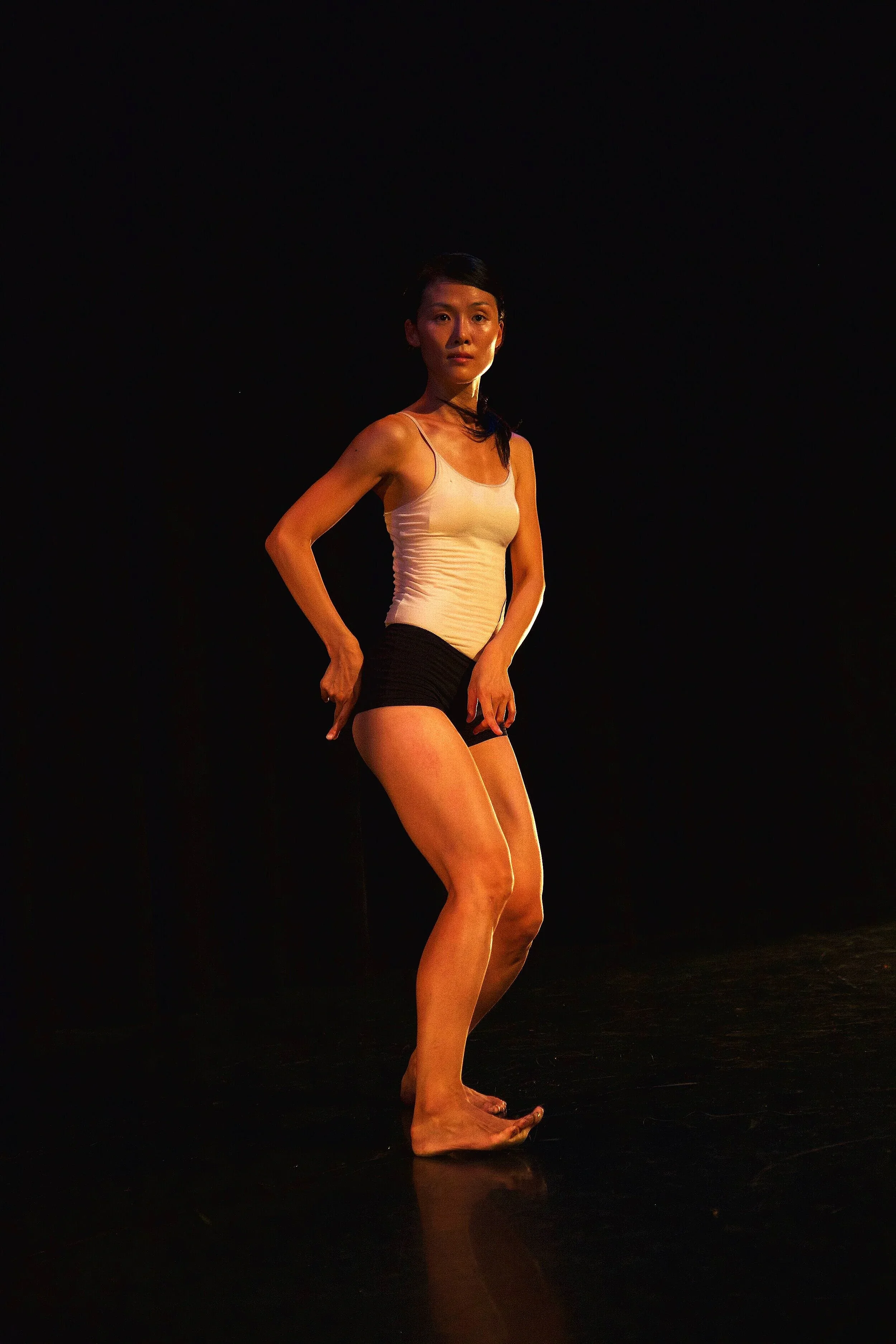
I still have rehearsals at Pieter. In fact, I just rehearsed there three or four days ago for the COLA IMAP Fellowship performance I just did at Grand Performances [in September 2026].”
If someone were to ask you, you know I hear Pieter has this emergency fundraiser happening, why should I support it? To you, why is it important to support Pieter at a moment like this?
“Can I take this question really personally? I think back to those flyers and postcards and posters in the bathroom stall. Many of them made the transition to the new space. Even from the time I was in graduate school, Pieter was the first community in LA (outside of an institutional setting) that I saw supporting experimentation and community in a really intimate, encouraging way. Seeing all the performances and classes and people I encountered outside of school was really important for me as an artist. Those flyers help me remember Pieter's old home; they help me appreciate the legacy of how people shared and inspired one another.
In LA, Pieter embodies a community of makers across different mediums -- interdisciplinary, multidisciplinary, cross-disciplinary, unconventional. We struggle through our work together, we go through hardship together. I think it's important to hold onto this place... it carries so much of LA's creative history.”
When you hear the phrase "Pieter is an incubator," what does it mean to you?
“I think I exemplify what it means to have your work incubated and supported by Pieter. The teaching and performing opportunities I received from Pieter were crucial to my personal and artistic development, and to my career growth. I love all the casual performances I was able to be involved in, and I love how much this community celebrates experimentation.”
If you could think of three words to describe Pieter, what would they be?
“Pieter is community. Pieter is legacy. Pieter is accessible utopia.”